
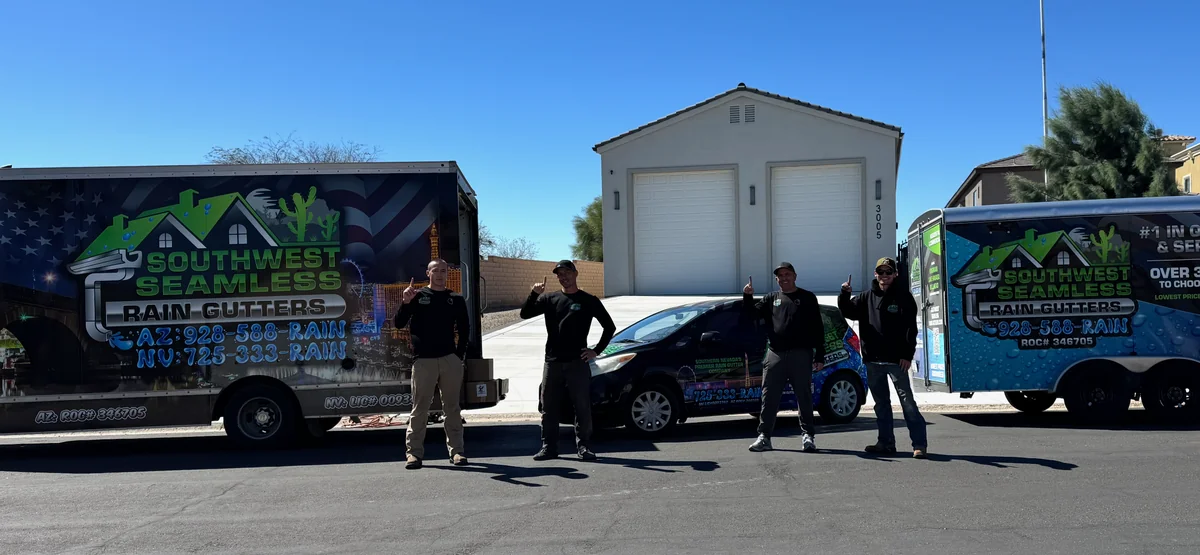
When you weigh upfront expense against long-term protection, high-quality gutter guards frequently deliver measurable returns — especially for homeowners in climates with seasonal debris and monsoons. This guide shows how installing gutter guards can pay for themselves, what to expect in 2026, and how choosing local pros like Southwest Seamless Rain Gutters helps maximize ROI.
Quick answer: Gutter guards typically pay for themselves in 2 to 6 years by cutting cleaning frequency 50 to 80% and preventing costly water damage. In a dusty, monsoon-prone climate, quality micro-mesh guard pricing guards reduce ladder trips, avoid clog-related overflow repairs, and extend gutter lifespan, making them a strong long-term investment.
The Real Costs (and What They Replace)
Upfront professional installation for premium systems ranges depending on materials and home size. 2026 pricing data and contractor estimates show professional installs can run from a few dollars per linear foot to $10+ per linear foot for top-tier micro-mesh systems; full-house installs often fall in the low-thousands range. But the key is what you stop spending afterward: frequent cleanings, emergency roof or fascia repairs, and possible foundation or landscaping damage from clogged downspouts.
Reduced cleaning + labor cost savings
Without guards, many homeowners pay for professional gutter cleaning 2 to 6 times per year or risk dangerous DIY ladder work. With a quality guard, cleaning typically drops to once per year or less. Multiply avoided cleaning trips (plus ladder safety risk) over 5 to 10 years and the cost avoidance alone often covers the initial investment. Recent contractor analyses show homeowners can reduce cleaning frequency by 50 to 80%, shortening payback to just a few seasons in many cases.
Avoided damage — the biggest hidden ROI
Overflowing or clogged gutters cause wood rot, fascia damage, landscape erosion, and even basement or foundation leaks. Repairing these issues is almost always more expensive than guard installation. Some reputable gutter-guard manufacturers also include warranties that cover clog-related issues, adding another layer to ROI by reducing financial risk from overflow. When you factor in avoided small repairs and the reduced likelihood of larger claims, gutter guards move from "luxury" to "protective necessity."
How to calculate your local payback (simple method)
- Add up your current annual gutter-related costs: professional cleaning, minor repairs, and any water-damage remediation.
- Subtract the reduced annual cost expected after installation (often just one annual inspection or cleaning).
- Divide the net installation cost by that annual savings to estimate payback years.
Example (illustrative): if you currently spend $450/year on cleaning plus minor fixes and expect that to fall to $100/year after guards, a $2,000 install would pay for itself in about 4 years. Local Arizona weather patterns — monsoon season plus dry, dusty periods — make durable micro-mesh or surface-tension systems especially valuable.
Picking the Right System in Arizona (2026 Priorities)
- Choose materials and mesh types rated for dust, sand, and monsoon-driven leaf and debris loads.
- Prefer systems with solid warranty language and a local installer who offers maintenance.
- For best performance in Arizona's mix of storms and dust, micro-mesh or surface-tension designs often outperform simple screens. Local pros who install seamless rain gutters can integrate guards so seams and overlaps don't become clog points.
Why Choose a Local Pro (and What to Ask)
Hiring a local company that knows regional weather — such as Southwest Seamless Rain Gutters — reduces guesswork. Ask about:
- Experience with monsoon runoff and dust loads.
- References for customers in neighborhoods like yours.
- Clear gutter guard installation quotes with line-item labor and material costs.
- Warranties: what's covered, for how long, and whether clog-related damage is included.
How Desert Conditions Change the Math
In a dusty, monsoon-prone climate, gutter guards earn their keep faster than the national average suggests. Fine wind-blown dust and shingle grit clog open gutters quickly, so unprotected systems here often need cleaning three or four times a year. Cutting that to a single annual rinse with quality micro-mesh saves both the cleaning fees and the cost of clog-related overflow, which in the desert tends to scour landscaping rock and stain stucco rather than simply spill onto a lawn.
The hidden ROI is monsoon protection. A clogged gutter during a sudden downpour sends a sheet of water straight down the wall and toward the foundation. Avoiding even one episode of foundation seepage or fascia rot can offset the entire cost of a guard system, which is why payback periods in monsoon regions frequently land at the shorter end of the 2-to-6-year range.
Final ROI Checklist — What to Expect After Installation
- Fewer cleaning visits (often once yearly).
- Lower lifetime cost of gutter upkeep.
- Reduced risk of water-related home damage.
- Potentially higher curb appeal and resale value due to a professional, low-maintenance exterior.
When you tally reduced maintenance, avoided repairs, and safety gains, many homeowners find gutter protection installations pay off in the medium term — and provide peace of mind every monsoon season.